English
 简体中文
简体中文
 繁體中文
繁體中文
 Français
 Español
 عربي ،
 русский язык
 Português
 Deutsch

to19At the beginning of the century, new large-scale industrial technologies gave jigsaw puzzles a clear form. Previously, large and cumbersome puzzles were composed of smooth edged fragments arranged together, which could be separated by a slight vibration. in1840Around the year, puzzle manufacturers in Germany and France used interlocking biting machines to cut puzzles, and modern puzzle enthusiasts are familiar with this form. They replaced hardwood sheets with soft wood, plywood, and cardboard, greatly reducing costs. The final low-priced puzzle was accepted by consumers from all walks of life, and soon sparked a frenzy of puzzle playing among children, adults, and the elderly.
drawing
Love Puzzle design project
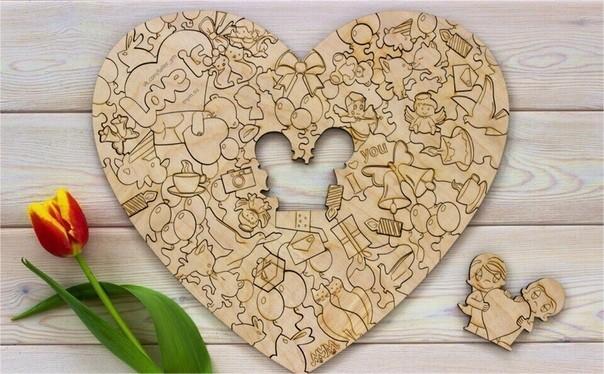
Drawing Information
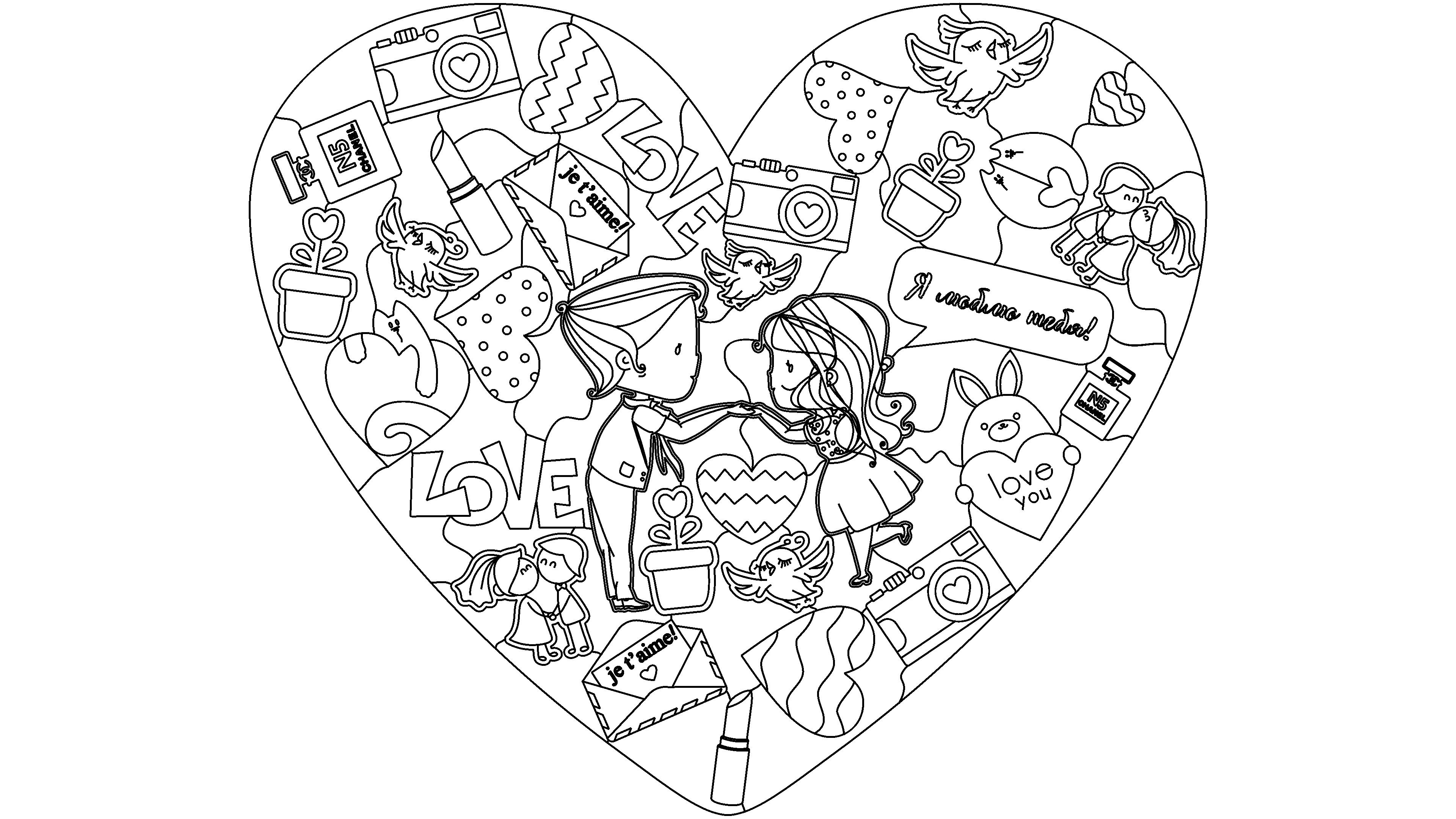
lcp
Love Puzzle
278.55 X 236.27
Drawing Description
drawing documents
Love Puzzle
Basic Parameters
1:5:2
1
No step content available at the moment
comment (0)
Love Puzzle
drawing ID: SUCAI-443
2026-2-12 22:43
1
0
0
53
0Contribution points
Purchase points
collection
like
Grade discount
-
classification
Valentine's Day -
copyright
open source licenseCC-BY-NCProhibit commercial use; -
Business License
Further information
Update time
2026-2-12 22:43